
Screens and children under 3: a real danger
For some parents, it is sometimes so much easier to sit their child in front of the television, a tablet or a smartphone. We have all done it at one time or another. But is this practical, comfortable solution really without consequences for a child's development? That is the question our consultant Julien Frère sets out to answer.
Updated on , a 3-minute read.

On this page
Today, it is becoming harder and harder to avoid screens. Phones, television and tablets are all part of our daily lives. But what about children who grow up with them? What are the dangers of screens for them and for their development?
That is the question a student asked herself, and she decided to come and discuss it with Julien Frère for her school project.
We filmed this interview so that we could share it and warn parents and parents-to-be about the dangers of screens, explaining why they are a problem.
What does the science say?
A meta-analysis of more than 40 scientific articles and publications on the impact of screens on children's development, carried out by Inga Brzozowska and Iwona Sikorska in 2016, shows that:
- 60% of children aged 0 to 3 regularly watch television for 1 to 2 hours a day
- The negative impact of this overexposure to screens on the cognitive development of children under 3 has been proven
- The main danger concerns the ability to concentrate
- Negative effects have also been found on language acquisition and learning
In general, children who had been overexposed to screens did less well at school - A possible link has been found between early exposure to screens and attention deficit hyperactivity disorder (ADHD)
And what does Julien Frère say?
When it comes to language, our brain is divided into two halves. This is called lateralisation: the right brain and the left brain. The right is more affective, linked mainly to emotion. The left is more linked to logical, rational thinking. When we listen, or when we speak, we can favour one tone or the other.
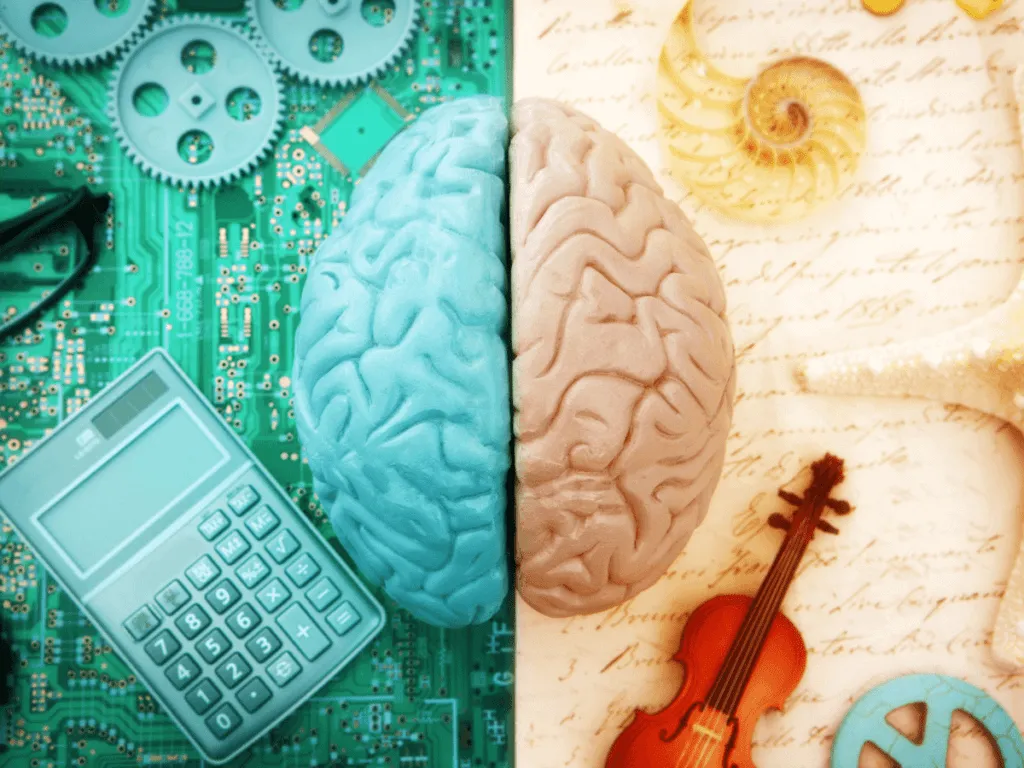
But when we are in front of a screen, it is mainly the right brain that is stimulated, at the expense of the left. This has consequences for language development: being frequently exposed to a screen, especially before the age of 3, leads the right brain to dominate the left. This limits the quality of listening, analysis and communication to their affective and emotional side alone, causing immaturity, anxiety and language disorders.
To find out more, we invite you to watch the video below.
Was your child affected by overexposure to screens before the age of three, and are you looking for ways to help? You can contact us for an initial listening assessment (audio-psycho-phonological assessment) on the numbers shown on the contact page and at the bottom of this page.
You can also book an appointment online by clicking this link: https://tomat.is/resa
In their own words
“Kevin was very receptive, even though classical music wasn't really his favourite kind of music.”
“This is the result of your support and your method, which really took a weight off my mind and helped Hakim move forward and gain confidence in himself.”
“My dad and my friends tell me I've become more mature, that I express myself much better, that my questions are more thought through.”