
Hypersensitivity to noise
For children, teenagers and adults
If you have symptoms such as sound overload, hyperacusis, misophonia or hypersensitivity to noise, you are probably suffering from a disrupted auditory pattern. These problems can be debilitating and affect your daily life but, fortunately, there is a solution. The Tomatis® Method is an effective, proven way of relieving these symptoms and improving your overall quality of life.
Updated on , a 5-minute read.

On this page
Sound overload, hyperacusis, misophonia, hypersensitivity to noise.
A disrupted auditory pattern that can be corrected with the Tomatis Method
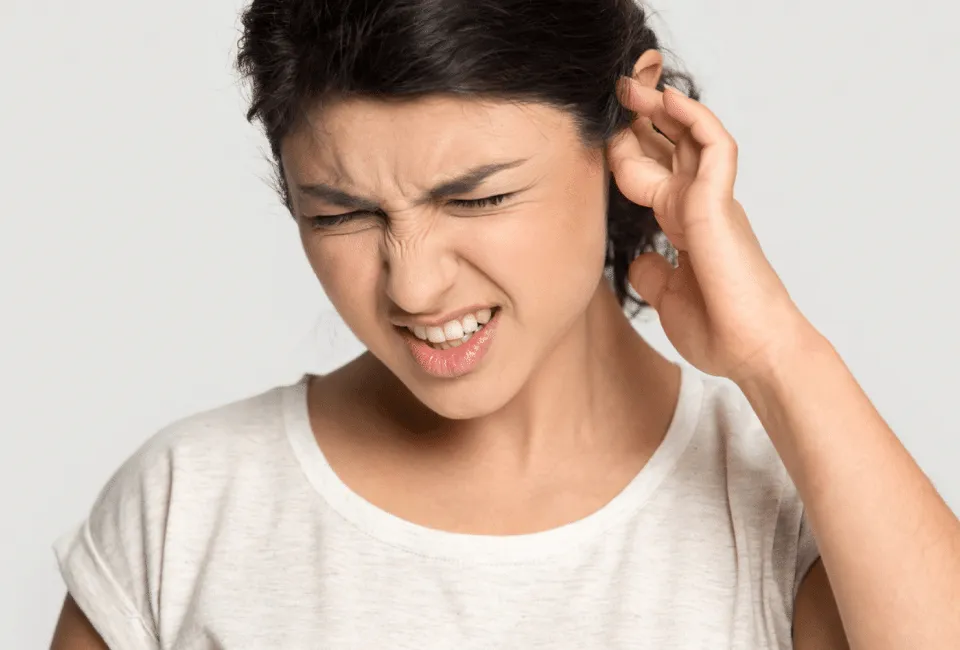
Your hearing is fine, but some sounds are unbearable. People who are hypersensitive to noise fall into two broad groups: those with hyperacusis and those with misophonia.
People with hyperacusis cannot bear certain sounds that they find too loud or unpleasant, while people with misophonia cannot bear certain noises made by other people (chewing, sniffing, and so on).
Research in this field cannot always explain these phenomena, which are poorly understood and rarely diagnosed.
Hyperacusis
Hyperacusis is thought to result from a disruption of the neural auditory pattern following damage to the inner ear. It sometimes appears after exposure to high sound levels. Hyperacusis is marked by an abnormally low tolerance to noise: certain sounds or sound levels, which others perceive as loud or unpleasant, are experienced as distressing or even painful. It is estimated that 40% of people with tinnitus also suffer from hyperacusis.
People with hyperacusis can no longer bear perfectly ordinary noise levels: dogs barking, laughter, a phone ringing, running taps or vacuum cleaners. These everyday noises are not particularly loud, and in no way painful for anyone with normal hearing, yet they are a huge burden for people with hyperacusis.
This hypersensitivity to noise may be general or affect only certain frequencies. Everyone's hearing has a minimum threshold of perception, and upper thresholds at which noise first becomes uncomfortable, then painful. For “normal” hearing, the discomfort threshold is around 90 dB, the risk threshold 105 dB and the pain threshold 120 dB. People with hyperacusis can feel pain from as little as 60 dB. The condition turns the daily lives of those affected upside down. After all, how can you live a normal life when the slightest noise hurts?
Misophonia
Misophonia is a relatively new word, and so is the diagnosis. A person with misophonia has an aversion to certain repetitive sounds made by other people, often adults. They cannot bear throat, nose or mouth noises, such as chewing, sniffing or throat-clearing. Sometimes even the sound of typing on a keyboard.
The causes of misophonia are not well understood. A recent study showed that misophonia is a neuropsychiatric condition associated with certain brain abnormalities. The study revealed overactivation of the inferior insular cortex (the brain region that directs our attention towards what is happening around us).
An immediate aversive reaction
People with misophonia react to certain sounds with intense irritability, anxiety and disgust, followed by anger. They may cry, start shouting or even vomit. Those affected also describe a feeling of losing control. Aggressive behaviour, whether verbal or physical, is rarer.
Noise intolerance
Sound overload is the feeling of being overwhelmed or bombarded by unwanted sounds. It is a state in which a person perceives sounds as excessively loud, disturbing or distressing. It can be caused by various factors, such as exposure to loud noise, certain medical conditions or emotional distress.
Avoidance strategies
This reaction comes with an urge to make the noises stop, to relieve the symptoms.
People with misophonia avoid certain situations (avoidance strategies reminiscent of those used by people with phobias), or find ways of protecting themselves from the sounds they cannot bear: earplugs, listening to music…
The Tomatis Method and hypersensitivity to sound
Whether it is hyperacusis or misophonia, the Tomatis® Method combined with laser phototherapy can help to reduce the symptoms.
In the case of hyperacusis, cell regeneration and the retraining of the muscles of the eardrum and the stapes help to release the tension involved in transmitting sound signals to the brain, reducing hypersensitivity in this part of the ear.
In the case of misophonia, stimulating the cells of the inner ear, combined with retraining the listening pattern, improves the ear's ability to act as a selective filter. This changes the way we direct our attention, and so reduces the symptoms of misophonia.
Take action now
Having read this article, are you wondering what comes next? It's very simple: book an appointment with us for a listening assessment (audio-psycho-phonological assessment), which will allow us to assess your difficulties and suggest a personalised treatment. Treatment can start within just a few days, and relief from symptoms is felt from the very first week of treatment.
Misophonia: Anna's testimonial, 16.
For several years now, I haven't been able to stand the noises other people make when they eat or sniff, especially older people. I'm generally a stressed and anxious person, and the thought of being around other people doesn't help. Here's how the treatment at the centre went. The two weeks of treatment were hard: I felt very tired, and it stirred me up quite a bit emotionally. Then I could see the results. The most obvious thing for me is that I'm calmer, much less anxious. I still hear and notice the noises other people make, but they annoy me less. I can't wait for the rest of the treatment!
In short: the methods we use
- Retraining of the listening posture with the Tomatis Method
- Cell regeneration and stimulation of the middle and inner ear with laser phototherapy
- Stress self-management with mindfulness meditation and EMDR
In their own words
“Kevin was very receptive, even though classical music wasn't really his favourite kind of music.”
“This is the result of your support and your method, which really took a weight off my mind and helped Hakim move forward and gain confidence in himself.”
“My dad and my friends tell me I've become more mature, that I express myself much better, that my questions are more thought through.”