Psychomotor and coordination disorders
For children and teenagers
People with psychomotor disorders may have problems with muscle tone, coordination, balance and posture, which makes everyday tasks difficult. They may also find it hard to start or stop movements, which leads to impulsivity and hyperactivity. These disorders can also show up as emotional and behavioural symptoms, such as difficulty with self-regulation and controlling emotions.
Updated on , a 4-minute read.
On this page
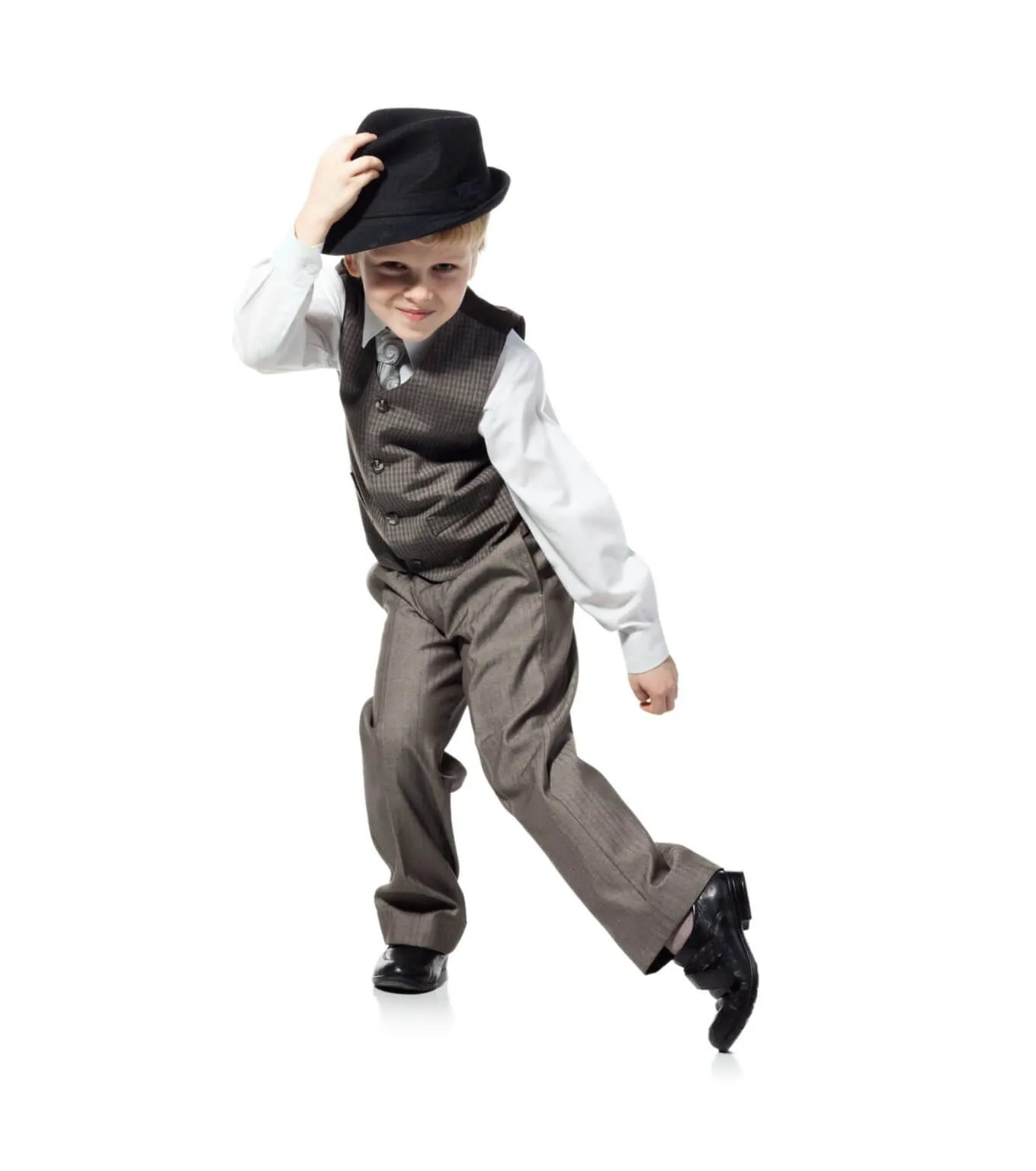
Walking, running, keeping to a rhythm: did you know that some children cannot do these simple movements properly?
About psychomotor disorders
Psychomotor disorders are a group of conditions that affect a person's ability to control their movements and emotions. They can show up as problems with muscle tone, coordination, balance and posture, and as difficulty starting or stopping movements. They may also include emotional and behavioural symptoms such as impulsivity, hyperactivity and difficulty with self-regulation.
Controlling and coordinating movement
These are difficulties involving a delay in carrying out movements that do not need to be taught culturally through explicit instruction, unlike those linked to dyspraxia (such as eating with cutlery), and that normally develop naturally over time (for example walking, running, jumping, or tapping out a rhythm with the foot or fingers).
These disorders therefore concern movements that involve the whole body. For example, children with these difficulties will not be able to coordinate their arms and legs when swimming, will run in an uncoordinated way, and will find it hard to balance on one foot or to go down stairs. Developmental coordination disorders are often associated, to varying degrees, with dyslexia.
The ear has two main functions: listening and balance.
The ear is divided into three parts: the outer ear, the middle ear and the inner ear.
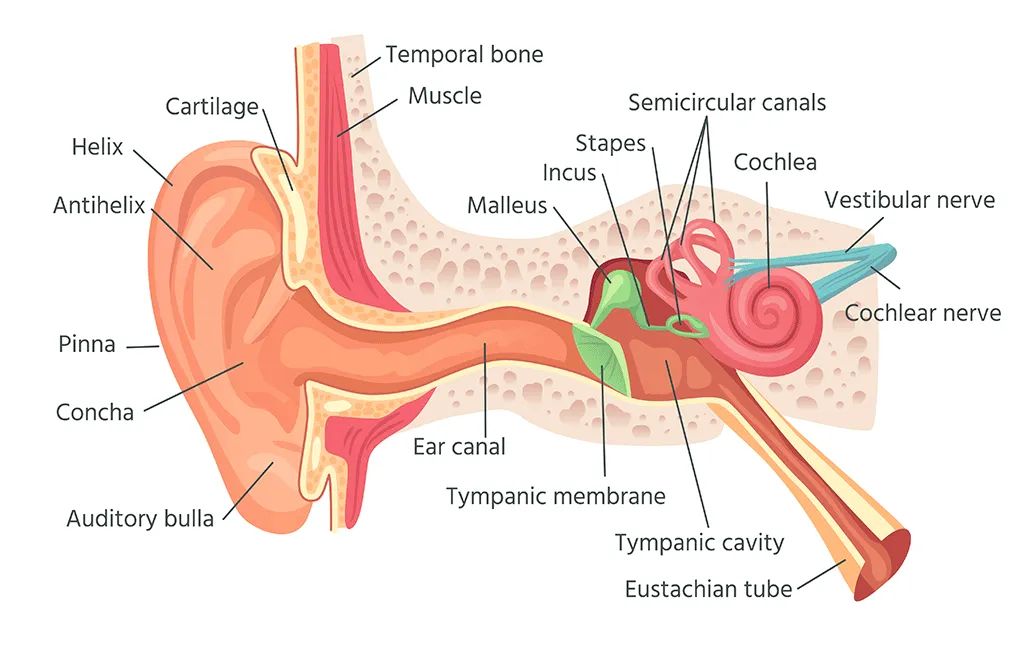
The outer ear is made up of the visible part of the ear, the pinna, and the ear canal. Its job is to collect sound waves and channel them into the ear canal, where they travel to the eardrum.
The middle ear is an air-filled chamber behind the eardrum. It contains three small bones, the hammer, the anvil and the stirrup, which pass sound vibrations from the eardrum to the inner ear.
The inner ear is responsible for hearing and balance. It contains the cochlea, which converts the mechanical energy of sound waves into nerve impulses that the brain can interpret as sound. The inner ear also contains the vestibular system, which keeps us balanced and oriented in space by detecting the position and movements of the head. The vestibular system includes the semicircular canals and the otolith organs (utricle and saccule), which detect linear acceleration and gravity.
Overall, the ear plays a crucial role in our ability to hear and to stay balanced, by collecting and processing sound waves, converting them into nerve impulses and sending them to the brain to be interpreted.
Rehabilitating the vestibular system with the Tomatis method
Through its direct action on the vestibular system, the Tomatis® method acts directly on the regulation of muscle tone, and therefore on upright posture, but also on laterality disorders. In addition, together with several other parts of the brain, the vestibular system plays an important role in coordination and rhythm. As a result, the Tomatis® method can work effectively on rhythm and coordination disorders.
Finally, together with the cerebral cortex, the vestibular system is closely involved in finding our way in space and in forming the body schema. That is why the Tomatis® method can also address difficulties with spatial awareness and body schema.
Combining methods for exceptional results
Combining speech therapy and physiotherapy can improve the overall results for people with psychomotor disorders. Speech therapy focuses on improving communication and language skills, while physiotherapy tackles the physical problems linked to movement, coordination, balance and muscle tone. Together, these therapies can address the different aspects of psychomotor disorders and provide a more complete treatment plan.
Treating psychomotor disorders with the Giger MD method
The Giger MD method is a form of physical therapy that uses a specialised table to help people with psychomotor problems such as muscle tone, coordination, balance and posture. The table is designed to provide voice therapy and specific movements that stimulate the body's neural, sensory and language systems. The method is based on the idea that stimulating these systems strengthens the synapses between them and creates new neural circuits, leading to improvements in physical function, coordination, speech and movement.
The Giger MD method can help people with psychomotor problems improve their muscle tone, balance, coordination and posture, as well as reduce pain and improve overall physical function. Therapy sessions are short, usually 15 to 20 minutes, and a series of sessions over time is recommended to see results.
To find out more about this method, you can read this article.
In their own words
“Kevin was very receptive, even though classical music wasn't really his favourite kind of music.”
“This is the result of your support and your method, which really took a weight off my mind and helped Hakim move forward and gain confidence in himself.”
“My dad and my friends tell me I've become more mature, that I express myself much better, that my questions are more thought through.”