
Language learning
For children, teenagers and adults
The Tomatis method aims to give people who want to learn a new language the chance to truly master its rhythms and sounds, by helping their ear adapt to them effectively. This means breaking free of the rhythmic and sound habits of their mother tongue, which can often get in the way of the language they are learning. Open up new opportunities and enrich your life by learning a foreign language!
Updated on , a 2-minute read.

On this page

Speaking a second language can give your career a boost: it opens the door to new job opportunities, widens your professional network and increases your earning potential. Learning a new language also helps you understand and appreciate different cultures, and communicate with people all over the world.
Even with steady effort and immersion among native speakers, learning a foreign language can still be difficult. Find out how the unique approach of the Tomatis method can help you.
How children acquire language
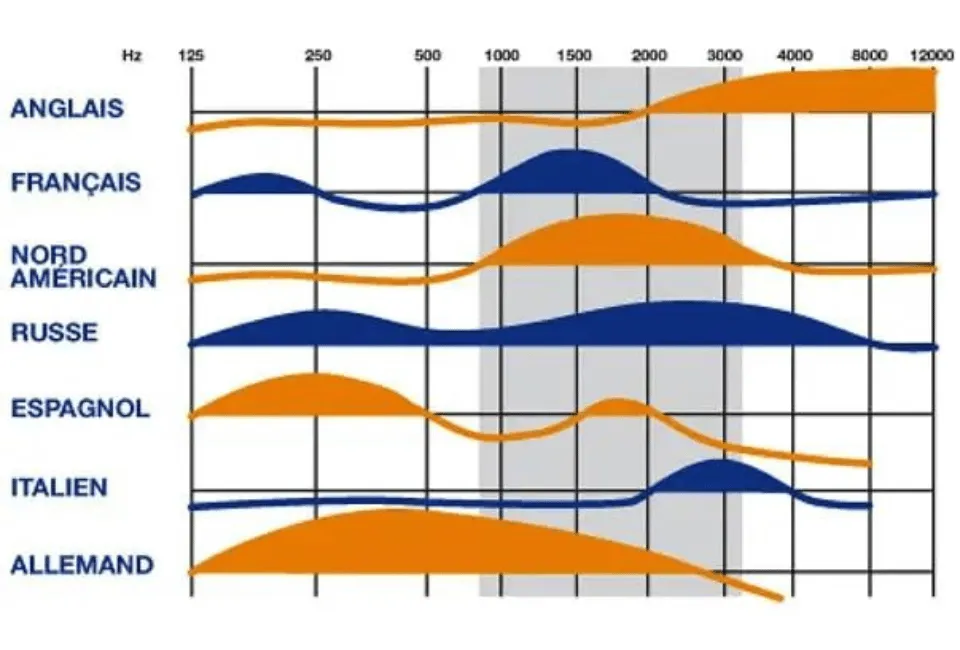
As children develop, they have to select the sounds that fit their language environment, and stop hearing those that are absent from the phonetic patterns they perceive around them every day: they carry out a kind of linguistic coding, adjusting to the sound structures of their own language. But because this coding is specific to each language, it soon becomes an obstacle to learning a foreign language, since it does not match the sound structures of the mother tongue taken in from early childhood. A language, then, is first of all a music: a set of specific rhythms and sounds. These rhythms and sounds form the basic sound layer on which everything else is built (vocabulary, grammar, meaning).
To find out more about how children acquire language, read this article.
Julien's testimonial
At first, what I expected from the Tomatis® method had nothing to do with foreign languages. I get by fairly well in English, and I didn't feel I needed any help. Yet, to my great surprise, after the second session I noticed that my understanding of English had improved a great deal, especially with the different English accents. Suddenly I understood Texan and Australian without any trouble, as if, with no particular effort, I had just heard the “music” of each accent.
The Tomatis® method aims to give anyone who wants to learn a foreign language the chance to truly make its rhythms and sounds their own, by helping the ear adapt to them effectively so that they can be analysed and reproduced. This work consists of breaking free of the rhythmic and sound habits of one's own language, which often have a negative effect on the language being learnt.
Language frequency bands
Advice from your Tomatis® consultant
If you want to start practising differently and learn a foreign language effectively, I recommend booking a free appointment to discuss your plans at the centre.
In their own words
“I passed my English exam!”
“I wanted to make sure she could catch up before starting lower secondary school.”
“Kevin was very receptive, even though classical music wasn't really his favourite kind of music.”